What Is The Easiest Way To Manage Bitcoin Alongside My Business Finances?
Highlights
- Hot vs. cold wallets serve different purposes. Businesses are advised to use hot wallets (internet-connected) for frequent day-to-day transactions, while cold wallets such as hardware or paper wallets — are recommended for long-term storage due to their enhanced security.
- Bitcoin can meaningfully cut transaction costs. Because peer-to-peer Bitcoin transactions bypass traditional banking systems, businesses can potentially reduce fees and speed up payments – a compelling advantage for companies with high transaction volumes or international customers.
- In many places, Bitcoin is taxed as property, not currency. This means business transactions involving Bitcoin could trigger capital gains tax obligations, making detailed record-keeping of every transaction essential for staying compliant come tax time.
- A formal internal Bitcoin policy is treated as non-negotiable. Businesses need a written policy covering objectives, assigned roles, security protocols and compliance guidelines – not just a wallet and good intentions.
- Insurance for Bitcoin holdings is a real and available option. Some providers now offer policies covering theft or loss of cryptocurrency, a relatively little-known risk management tool that can offer businesses meaningful peace of mind.
What Is The Easiest Way To Manage Bitcoin Alongside My Business Finances?
Bitcoin is reshaping the financial landscape. Businesses are increasingly exploring its potential. But how do you manage Bitcoin alongside traditional finances?
Integrating Bitcoin into business operations can be daunting. It requires understanding both its benefits and challenges.
Bitcoin offers opportunities for growth and innovation. It can enhance financial strategies and open new markets.
However, managing Bitcoin requires careful planning. Businesses must consider security, compliance and financial implications.
Specialised tools and strategies can simplify Bitcoin management. These tools help integrate Bitcoin with existing financial systems.
A clear Bitcoin policy is essential. It ensures compliance and guides financial decisions.
Training staff on Bitcoin handling is crucial. It ensures smooth operations and enhances security.
This guide will explore the easiest ways to manage Bitcoin alongside business finances. Discover practical strategies and tools to streamline your Bitcoin integration.

Understanding Bitcoin In The Business Context
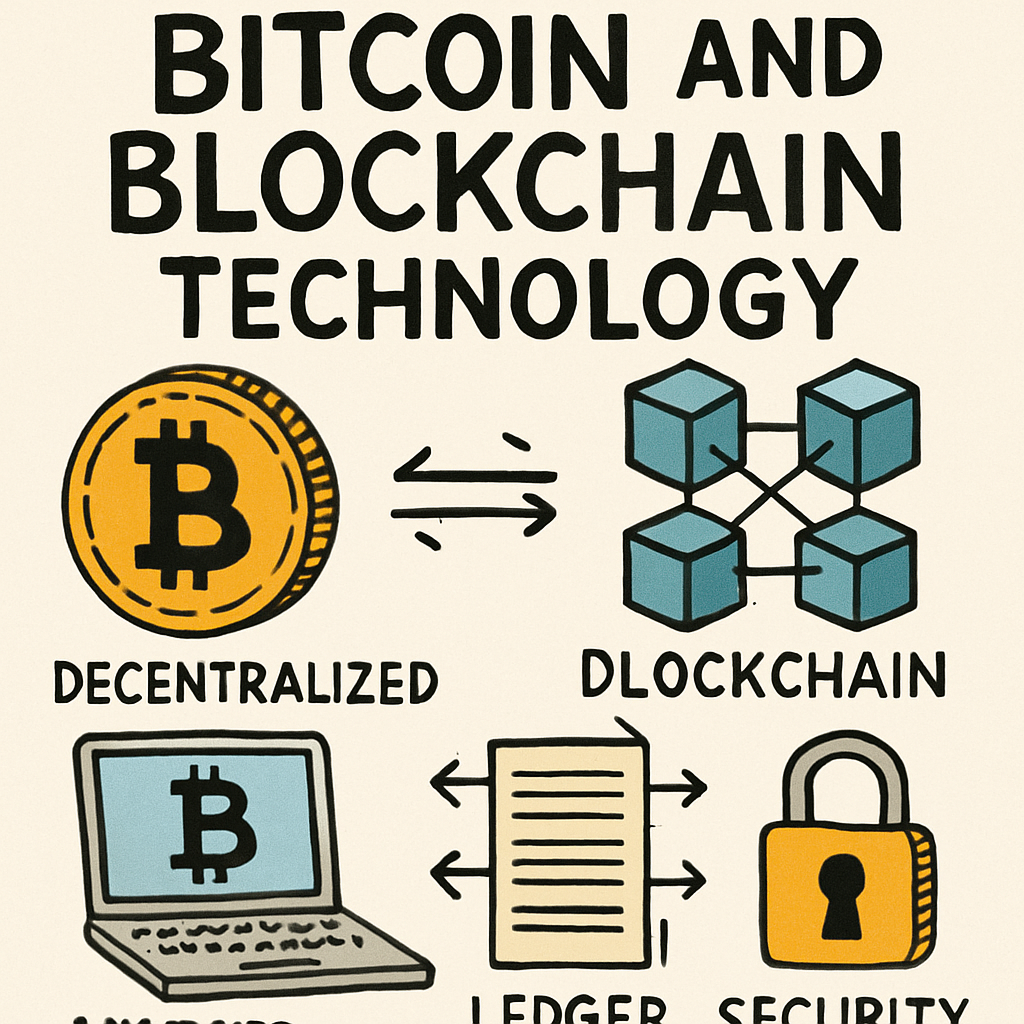
Bitcoin is a decentralised digital currency. It operates without the need for a central authority. This characteristic sets it apart from traditional currencies.
Businesses can use Bitcoin for transactions and investments. It can also serve as a hedge against inflation. These attributes make Bitcoin attractive to forward-thinking businesses.
To integrate Bitcoin, it’s crucial to grasp its fundamentals. Understanding blockchain technology is a vital first step. This knowledge supports strategic planning and decision-making.
Bitcoin’s decentralised nature provides several advantages:
- Financial independence from conventional banking
- Opportunities for global reach
- Potential reduction in transaction fees
However, it presents challenges, too. These include regulatory uncertainties and price volatility.
Businesses must weigh these factors carefully. It’s important to evaluate whether Bitcoin aligns with their financial objectives.
Familiarity with Bitcoin’s potential and constraints is fundamental. This understanding lays the groundwork for successful integration.
Key Benefits And Risks Of Integrating Bitcoin
Integrating Bitcoin into your business finances can offer significant benefits. One key advantage is its potential to increase market reach. Bitcoin allows you to tap into a global customer base.
Another benefit is reduced transaction fees. Peer-to-peer Bitcoin transactions bypass traditional banking systems. This can lower costs and speed up transactions.
However, integrating Bitcoin also carries risks. Bitcoin’s price volatility can impact cash flow management. This unpredictability can pose challenges for businesses trying to plan finances.
The regulatory landscape is another consideration. Laws governing Bitcoin can change frequently. Staying informed is essential to maintain compliance and avoid penalties.
Security concerns are paramount. Cyber threats and hacking incidents are serious risks to manage. Implementing robust security measures is non-negotiable.
Key benefits include:
- Global market reach
- Lower transaction fees
- Potential for financial innovation
Balancing these benefits and risks is crucial for success. Businesses must approach Bitcoin with informed strategies and caution.

Image by Ewan Kennedy (https://unsplash.com/@ewankennedy)
Setting Up: Wallets, Exchanges And Security Essentials
When integrating Bitcoin, setting up digital wallets is the first step. Wallets are essential for storing and managing cryptocurrencies. Businesses can choose between hot and cold wallets.
Hot wallets are connected to the internet. They are convenient for frequent transactions. However, they carry a higher security risk.
Cold wallets are offline storage options. These include hardware wallets and paper wallets. They offer enhanced security for long-term storage.
After setting up wallets, selecting a reliable exchange is crucial. Exchanges facilitate the buying and selling of Bitcoin. Look for exchanges with strong reputations and security features.
Consider these factors when choosing an exchange:
- Fees and transaction costs
- Security protocols
- Ease of use
Security essentials include implementing two-factor authentication (2FA). This adds an extra layer of protection. Encrypting sensitive data is also necessary.
Another important aspect is regular audits. Conducting frequent checks ensures funds are accounted for, It helps in identifying discrepancies early on.

Image by rc.xyz NFT gallery (https://unsplash.com/@moneyphotos)
Businesses should consider employing dedicated cybersecurity experts. These professionals can enhance security measures. A robust security plan is vital to safeguard Bitcoin assets from potential threats.
Choosing The Right Accounting And Financial Management Tools
Integrating Bitcoin with business finances demands the right tools. Accounting software that supports cryptocurrencies is vital. Look for software that can handle multiple currencies seamlessly.
These tools should offer real-time tracking of Bitcoin transactions. This feature aids in accurate financial reporting. Integration with existing systems is also important for ease of use.
An essential feature is automated reporting. Automated features reduce the burden on financial teams. They ensure precision in financial statements.
Key factors to consider when choosing software include:
- Cryptocurrency compatibility
- User-friendliness
- Scalability for future growth
Ensure that the tool complies with local and international regulations. Compliance features help in avoiding legal issues. They keep businesses on the right side of the law.

Image by George Dagerotip (https://unsplash.com/@dagerotip)
Finally, consult with financial advisors familiar with cryptocurrency. They provide insights into selecting the best tools. Their expertise can be invaluable in making informed decisions.
Choosing the right accounting tools improves financial management. It allows businesses to operate efficiently in a digital currency landscape.
Developing A Bitcoin Policy For Your Business
Creating a clear Bitcoin policy is critical for any business. This policy should guide the use and management of Bitcoin. It ensures everyone in the company knows the procedures.
Start by defining objectives for Bitcoin use. Outline how Bitcoin will fit into the overall strategy. Specify the role Bitcoin will play in financial operations.
Determine who will manage Bitcoin transactions and related activities. Assign roles clearly to improve efficiency. This also strengthens accountability within the organisation.
It’s essential to include guidelines for security and compliance. A robust policy addresses potential risks effectively. It ensures adherence to regulatory requirements.
Key components of an effective Bitcoin policy include:
- Objectives and goals
- Roles and responsibilities
- Security measures
- Compliance and reporting
Regularly review and update the Bitcoin policy. This ensures it remains relevant as the business grows. Staying informed about market changes helps in keeping the policy effective.
Step-By-Step Guide To Integrating Bitcoin With Business Finances
Integrating Bitcoin into your business finances requires a structured approach. Begin by researching Bitcoin’s role in your industry. Understanding market trends helps in strategic planning.
Select a reliable cryptocurrency exchange for your transactions. Ensure the platform aligns with your business needs. Check its security features and user reviews before committing.
Next, establish a secure Bitcoin wallet. Choose between hardware, software or multi-currency wallets. Security should be a top priority when selecting a wallet.
Develop clear protocols for receiving and sending Bitcoin payments. It’s important to streamline payment processes. This will enhance efficiency and customer satisfaction.
Consider utilising an accounting software solution that supports cryptocurrency. This aids in accurate record-keeping and financial reporting. Make sure it integrates well with your existing systems.
It’s crucial to train your finance team on Bitcoin handling. Provide education on both the technology and its financial impact. This will improve operations and decision-making.
Visualising the integration process can be helpful:
- Research Bitcoin in your industry
- Select an exchange
- Set up a secure wallet
- Establish payment protocols
- Choose compatible accounting software
- Train your finance team

Image by Traxer (https://unsplash.com/@traxer)
By following these steps, you ensure a smooth Bitcoin integration into your business finances. Adjustments may be needed as your business and the Bitcoin market evolve.
Managing Transactions: Payments, Invoicing And Record-Keeping
Managing Bitcoin transactions effectively involves several key components. First, ensure a seamless payment process for clients. Bitcoin payment processors can facilitate this.
Payment processors help in converting Bitcoin to traditional currency. This minimises the impact of volatility. They offer a straightforward way to handle digital payments.
Invoicing is another crucial aspect. Develop templates that include Bitcoin payment options. Ensuring clarity and accuracy in invoicing is essential for customer satisfaction.
Record-keeping needs careful attention. Implement a system to log each transaction accurately. This aids in financial tracking and audit preparation.
Consider using specialised tools for managing transactions. Many tools integrate with existing accounting systems. This ensures smooth operations across all financial activities.
Visualise your transaction management with the following:
- Use Bitcoin payment processors
- Create Bitcoin-inclusive invoice templates
- Set up a detailed logging system
- Integrate specialised transaction tools

Image by Kanchanara (https://unsplash.com/@kanchanara)
By focusing on these areas, businesses can ensure efficient Bitcoin transaction management. This enhances both financial reporting and customer relations.
Tax Implications And Regulatory Compliance
Understanding the tax implications of Bitcoin is essential for businesses. Bitcoin transactions are subject to varying regulations globally. It’s crucial to keep up to date with these changes.
In many jurisdictions, Bitcoin is treated as property. This means transactions could incur capital gains tax. Accurately tracking gains and losses is vital for compliance.
Proper record-keeping aids in tax preparation. Maintain detailed logs of all Bitcoin transactions. This ensures clarity during tax audits and filings.
It’s wise to consult with a tax professional. Professionals offer insights into complex regulatory environments. This reduces the risk of non-compliance and potential fines.
Some businesses may need to register with authorities. This is often required for those dealing directly with cryptocurrency. Check local laws to determine if this applies to your operations.
Key points to consider include:
- Monitoring local Bitcoin regulations
- Tracking capital gains and losses
- Consulting a tax professional
- Ensuring accurate transaction records
- Registering if necessary

Image by Kanchanara (https://unsplash.com/@kanchanara)
By staying informed and prepared, businesses can navigate the complexities of Bitcoin regulation successfully. This fosters both legal compliance and financial efficiency.
Best Practices For Security And Risk Management
Securing your Bitcoin holdings is paramount. The decentralised nature demands robust security practices. A proactive approach can prevent unauthorised access and loss.
Cold storage is a highly recommended security measure. It involves keeping Bitcoin offline, reducing vulnerability. This is crucial for long-term storage.
Implement two-factor authentication (2FA) for accessing wallets. This adds an extra layer of defense. Even if credentials are compromised, 2FA provides protection.
Regularly update your software and wallets. Manufacturers release updates addressing security vulnerabilities. Staying current with these updates is essential.
Consider insurance for Bitcoin holdings. Some providers offer policies covering theft or loss. This can provide peace of mind.
Implement these key security practices:
- Utilise cold storage for large amounts
- Enable two-factor authentication
- Update security software regularly
- Consider cryptocurrency insurance

Image by rc.xyz NFT gallery (https://unsplash.com/@moneyphotos)
Educate your team on best practices. A trained workforce enhances your security posture. Combined efforts result in robust protection against potential threats.
Training Staff And Building Internal Expertise
Educating your team about Bitcoin is vital. A well-informed staff ensures smooth operations and reduces risks. Everyone should understand basic concepts and security protocols.
Start with foundational training. Cover the basics of Bitcoin and blockchain technology. This knowledge lays the groundwork for more advanced topics.
Organise regular workshops and sessions. Focus on current trends and security best practices. These sessions keep your team updated and prepared.
Develop an in-house resource centre. Include guides, FAQs and best practice documents. Easy access to this information supports continuous learning.
Key training steps include:
- Conducting foundational workshops
- Scheduling regular update sessions
- Creating an internal resource library
Monitoring, Reporting And Auditing Bitcoin Holdings
Effectively monitoring your Bitcoin holdings is crucial for maintaining financial health. Regular audits provide transparency and accuracy in reporting. They also help ensure compliance with financial regulations.
Establish a routine for reviewing Bitcoin transactions. This can prevent discrepancies and identify potential red flags. Regular reviews also keep your records updated and accurate.
Implementing robust reporting tools is essential. These tools should provide real-time insights into your Bitcoin activities. Accurate data helps in making informed financial decisions.
Key practices include:
- Scheduling regular audits
- Using advanced reporting tools
- Conducting consistent transaction reviews
Leveraging Bitcoin For Growth And Strategic Advantage
Bitcoin can unlock new growth avenues for your business. Embracing Bitcoin opens international markets with reduced transaction fees. It enhances your brand’s appeal as innovative and forward-thinking.
Your business can capitalise on Bitcoin’s rising popularity. Accepting Bitcoin payments can differentiate you from competitors. This approach also attracts tech-savvy customers who favour digital currency.
To effectively leverage Bitcoin, consider:
- Expanding global reach through Bitcoin transactions
- Enhancing brand image by adopting innovative payment methods
- Attracting a broader customer base, including the unbanked populations
Future Trends: Staying Ahead In Crypto Finance
Staying informed about crypto finance trends is essential. The cryptocurrency landscape is dynamic and rapidly evolving. Understanding these changes can help businesses stay competitive.
Blockchain technology continues to revolutionise various sectors. From smart contracts to decentralised finance, innovations are abundant. Businesses should explore integrating these advancements into their operations.
Regulatory changes impact how cryptocurrencies are managed. Keeping abreast of such changes is vital for compliance. It also ensures that businesses can adapt to new legal frameworks efficiently.
To stay ahead, consider:
- Monitoring technological advancements in blockchain and crypto
- Adapting business models to fit within new regulatory environments
- Exploring new opportunities offered by emerging crypto technologies

Image by Niranjan _ Photographs (https://unsplash.com/@niranjan_photographs)
Conclusion: Making Bitcoin Work For Your Business
Integrating Bitcoin into business finances offers many benefits. It can enhance financial strategy, broaden market reach and improve efficiency. Understanding its potential and challenges is crucial.
To succeed, align Bitcoin with your business goals. Evaluate its impact on cash flow, accounting and compliance. Strategic planning ensures that Bitcoin adds real value.
Stay updated with trends and regulatory shifts. Build expertise within your team to capitalise on opportunities. With careful management, Bitcoin can drive growth and innovation for your business.